
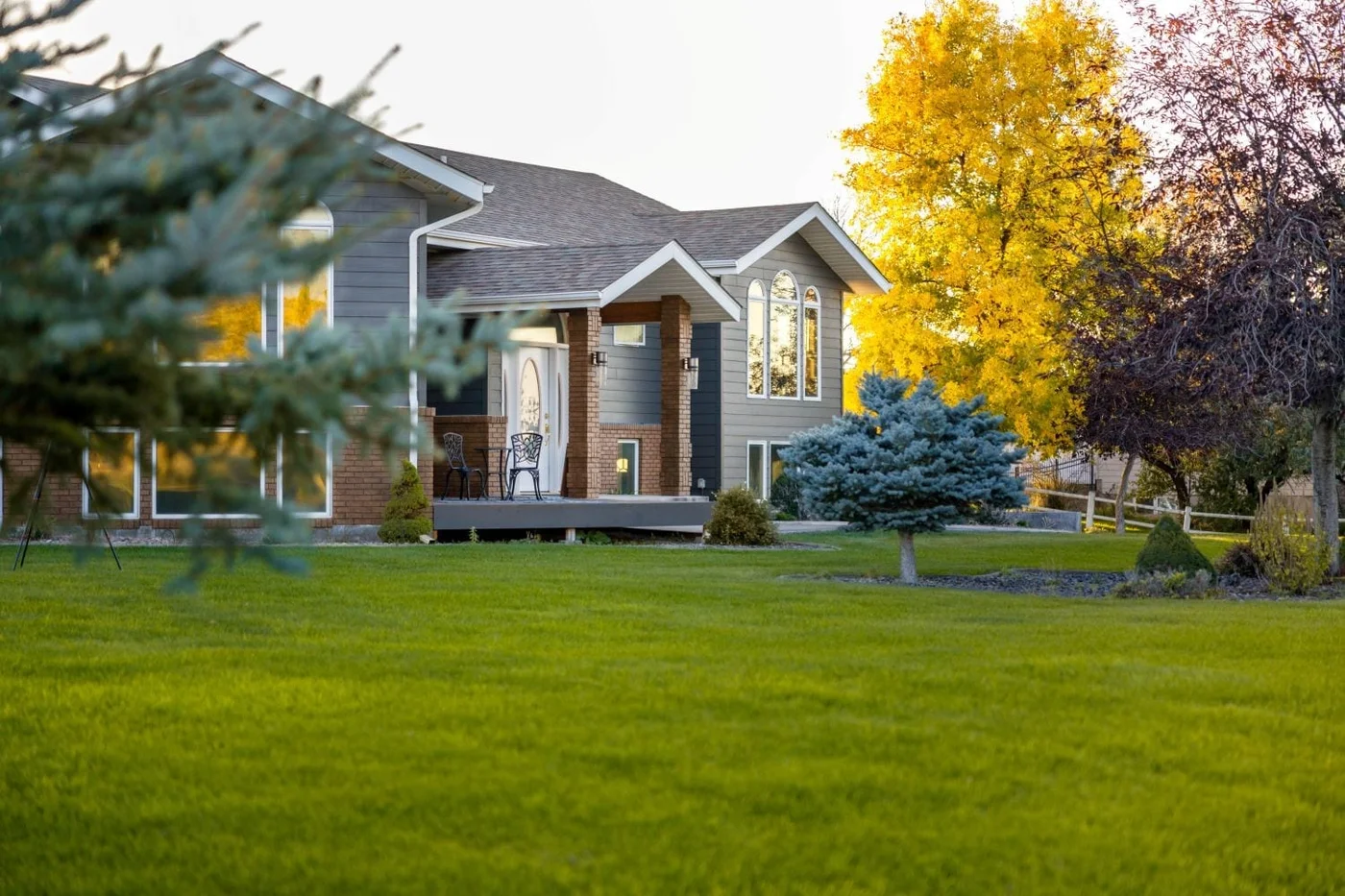
How Coastal Commission Review Works for Monterey Properties
In the City of Monterey, which has no certified Local Coastal Program, coastal development permits are issued by the California Coastal Commission; nearby Carmel-by-the-Sea, Pacific Grove, Seaside, and unincorporated areas like Pebble Beach issue their own under certified programs. Routine landscaping at an existing single-family home is often exempt. When a permit is needed, review weighs visual impact, coastal resources, and public access, typically taking 4-8 weeks and up to 3-6 months for complex projects. Professional designers experienced with Monterey Coastal Commission standards significantly improve approval likelihood.
On this page· 11
- 01Understanding California's Coastal Commission Authority
- 02What Triggers Coastal Commission Review for Landscape Projects
- 03The Coastal Commission Application Process in Monterey
- 04What the Coastal Commission Evaluates
- 05Common Coastal Commission Concerns for Monterey Landscape Projects
- 06Preparing for Coastal Commission Success in Monterey
- 07Timeline Considerations for Coastal Commission Review
- 08Modifying Designs to Address Commission Concerns
- 09Combining Coastal Commission Review with Local Approval
- 10Post-Approval Compliance and Monitoring
- 11Getting Help with Coastal Commission Review in Monterey
Properties in Monterey's coastal zone face unique regulatory requirements, including possible California Coastal Commission review for landscaping projects. Understanding how this process works, what triggers review, and how to prepare applications ensures your project receives approval on schedule. Many landscape designers specializing in Monterey properties understand Coastal Commission requirements and can guide you through approval.
Understanding California's Coastal Commission Authority
The California Coastal Commission exists to protect coastal resources and public access. The coastal zone it oversees follows a boundary mapped under the Coastal Act: generally about 1,000 yards inland, but farther in significant habitat and recreational areas and less in some developed urban areas. In the City of Monterey, which does not have a certified Local Coastal Program, the Commission itself issues coastal development permits. Carmel-by-the-Sea, Pacific Grove, Seaside, and Monterey County (for unincorporated areas such as Pebble Beach and Carmel Point) issue their own permits under certified programs, with appeals to the Commission.
Coastal Commission authority derives from the California Coastal Act of 1976, which established statewide coastal protection standards. Commission review balances private property rights with public coastal access and resource protection. Properties in Monterey must comply with Coastal Act requirements even when projects seem minor from homeowner perspectives.
Understanding whether your property falls within the coastal zone determines review requirements. Check your parcel against the Coastal Commission's boundary maps or with your city or county planning office.
What Triggers Coastal Commission Review for Landscape Projects
Under the Coastal Act, improvements to an existing single-family home, including landscaping, are generally exempt from a coastal development permit. The exemption does not apply when the property is on a beach or wetland, seaward of the mean high tide line, in environmentally sensitive habitat, in a designated highly scenic area, or within 50 feet of a coastal bluff edge, or when an earlier permit required future additions to get a coastal permit. On those properties, vegetation removal, grading, new hardscape, and drainage changes typically need review.
Projects affecting public access, viewsheds, or habitat also require review. The Commission particularly scrutinizes projects affecting native coastal plants, wildlife habitat, and public views of the coast. Even residential landscape projects can trigger review if they affect these sensitive resources.
Smaller projects like plant replacement or mulch update might not require review, but designers in Monterey typically recommend checking with local planning departments for guidance. The safe approach involves submitting projects for review determination rather than assuming review isn't required and facing project delays.
The Coastal Commission Application Process in Monterey
Before submission, designers verify whether your property requires a coastal permit by contacting the Monterey County Planning Department or local city planning office. If review is required, designers prepare detailed applications including site plans, elevation drawings, photographic documentation, and thorough project descriptions suited to Monterey Peninsula estates.
Applications must address specific Coastal Act requirements. Designers must demonstrate that projects don't adversely affect coastal resources, don't impede public access, and comply with local coastal plans. Detailed explanations showing how projects meet these standards significantly improve approval likelihood.
Supporting documentation includes project photographs showing current conditions, renderings showing proposed changes, and material specifications. Designers often include environmental documents addressing how projects affect sensitive habitats or species. For Monterey properties, thorough documentation demonstrates careful consideration of coastal resource impacts.
What the Coastal Commission Evaluates
The Commission evaluates projects through several Coastal Act lenses. Visual impact assessment considers whether projects obstruct ocean views or alter coastal character. The Commission protects views from public areas, not private residences, but scenic vistas matter to Commission decisions.
Environmental assessment determines whether projects harm coastal resources. The Commission evaluates impacts on native plants, wildlife habitat, sensitive species, and water quality. Landscape designs using native coastal plants and avoiding exotic species tend to receive favorable consideration.
Public access evaluation determines whether projects interfere with existing public access points or potential future access. The Commission advocates maintaining and enhancing public coastal access, so projects should avoid blocking pathways or limiting access opportunities.
Local consistency review ensures projects comply with local Coastal Plans adopted in Monterey communities. These plans establish community-specific standards for coastal development. Projects complying with local plans generally receive Coastal Commission approval.
Common Coastal Commission Concerns for Monterey Landscape Projects
The Commission frequently questions removal of native coastal vegetation. While homeowners may want to clear understory brush or remove trees, the Commission often prefers vegetation retention for habitat and visual buffer purposes. Designers proposing vegetation removal must justify removal through health, safety, or functional arguments.
Expansive hardscape projects can trigger concerns if they cover significant ground area or increase impervious surfaces. The Commission prefers permeable materials minimizing runoff and maintaining drainage patterns. Designers often specify permeable pavers or porous asphalt to address Commission concerns about runoff impacts.
Extensive landscaping visible from public areas receives scrutiny. The Commission may require design modifications if landscaping significantly alters coastal views. This doesn't mean avoiding landscape improvements, but rather designing improvements that complement coastal character, as shown throughout our project gallery.
Projects affecting drainage patterns raise Commission concerns about stormwater runoff affecting coastal water quality. Designers must demonstrate that hardscape installation includes adequate drainage management preventing erosion or contamination.
Preparing for Coastal Commission Success in Monterey
Successful Coastal Commission projects begin with thorough site analysis. Designers investigate existing habitat, native plant species, drainage patterns, public access points, and viewshed considerations. This analysis informs design decisions minimizing Commission concerns.
Designing with native coastal plants addresses Commission environmental concerns. Monterey's native flora includes coast live oak, coast sage scrub, and salt marsh species depending on location. Incorporating natives demonstrates ecological sensitivity the Commission favors.
Avoiding design elements the Commission typically objects to improves approval likelihood. Excessive hardscape, removal of native vegetation without justification, and designs altering coastal viewsheds face scrutiny. Designers experienced with Monterey Commission requirements anticipate these concerns and design accordingly.
Early consultation with planning staff helps clarify expectations. Many planners provide design guidance before formal application, helping designers understand Commission concerns specific to your property. This informal feedback prevents application deficiencies requiring revision rounds.
Timeline Considerations for Coastal Commission Review
Coastal Commission review typically requires 4 to 8 weeks if no major concerns arise. Complete applications move faster through the process than incomplete submissions requiring additional information. Some projects receive approval within 2 to 3 weeks if they clearly meet all standards with no controversy.
However, projects raising environmental concerns or public access questions can require 3 to 6 months for resolution. Extended timelines result from additional environmental assessment, public comment periods, or design modifications addressing Commission concerns.
Submitting applications early accommodates potential revision rounds. If you anticipate spring construction, submit applications by fall to allow adequate review time. Early submission prevents last-minute deadline pressure compromising design quality.
Modifying Designs to Address Commission Concerns
If the Commission identifies concerns with your proposed design, designers work with planners to develop modifications. Common modifications include increasing native plant percentages, reducing hardscape footprints, or adding habitat restoration elements.
Designers sometimes propose conditions addressing concerns without fundamentally changing design direction. For example, if the Commission worries about coastal view impacts, designers might reduce structure heights or add vegetation screening. These modifications satisfy Commission requirements while maintaining design intent.
Extensive design revisions occasionally become necessary if projects fundamentally conflict with Coastal Act standards. Rather than view this negatively, see revisions as ensuring your project ultimately receives approval and succeeds long-term. Properly approved projects avoid legal challenges and enforcement action.
Combining Coastal Commission Review with Local Approval
Monterey properties near the coast must navigate both Coastal Commission review and local approval processes. Some projects only require Commission review, some only local approval, and many require both. Designers managing both approval streams coordinate timing to move projects forward efficiently.
Local approval often moves faster than Coastal Commission review. Designers might obtain local approval while Commission review proceeds. Once Commission approval arrives, projects move to construction without additional local processing delays.
Communication with both entities prevents conflicts. Designers inform each entity of the other's involvement and ensure design modifications satisfying one don't create problems with the other. This careful coordination ensures smooth approval and successful project execution.
Post-Approval Compliance and Monitoring
Once Coastal Commission approval arrives, projects must proceed substantially as approved. Changes during construction require Commission notification and potential reapproval. Designers typically visit during construction to ensure compliance with approved plans.
Approval conditions might require monitoring or reporting. Some projects include post-construction habitat restoration monitoring or mitigation measures. Understanding these conditions upfront prevents surprises during or after construction.
Maintaining records of approvals and compliance demonstrates responsible development if questions arise later. Good documentation protects your interests and ensures smooth relationship with regulatory agencies for future projects, particularly when a future realtor or home stager needs to reference the permit file.
Getting Help with Coastal Commission Review in Monterey
Working with experienced landscape designers familiar with Coastal Commission requirements significantly improves project approval likelihood. These designers understand Commission standards, know planning staff, and anticipate concerns specific to your property location. Their expertise streamlines the approval process.
Professional consultants specializing in Coastal Commission review also help complex projects. These experts understand environmental assessment, public access law, and Commission political dynamics. For significant projects, hiring specialized consultants often proves worthwhile.
Ready to navigate Coastal Commission review for your Monterey coastal property? Contact our landscape design team to discuss your project and review requirements. We understand Monterey Commission standards and guide you toward approval.
Learn how our landscape design services successfully navigate Coastal Commission requirements while creating beautiful landscape improvements reflecting your vision.
Answers ahead
Questions we get asked the most
01Which Monterey properties require Coastal Commission review for landscape projects?
02What triggers Coastal Commission review for landscape projects?
03How long does Coastal Commission review typically take?
04What should I include in my Coastal Commission application?
05What concerns does the Coastal Commission typically raise about landscape projects?
06Are stamped drawings required for Coastal Commission submittals?
07Does the Coastal Commission review water-budget and irrigation design?
08How do I appeal a Coastal Commission decision I disagree with?
09Does the Commission consider resale-value implications?
10Can designs be phased to spread costs across multiple Coastal Commission submittals?
11How do historic-district overlays interact with Coastal Commission review?
12Do accessibility and aging-in-place designs require separate Coastal Commission review?
Written by
The Turftenders Team
The Turftenders Landscape team has served Salinas and Monterey County for 15+ years, specializing in artificial turf, lawn care, hardscaping, and drought-tolerant design.
Done reading? Let's talk numbers.
Three quick ways to get pricing tailored to your property — no forms to grind through, no obligation.
More on Landscape Design
Keep reading
 Hardscaping01
Top Hardscaping Trends for 2025: Elevate Your Outdoor Space
January 5, 2025
Sustainable Landscaping02Creating a Beautiful Drought-Tolerant Landscape in California
December 28, 2024
Landscape Design03Landscape Design Cost in Salinas & Monterey: 2026 Fees Explained
February 22, 2025