
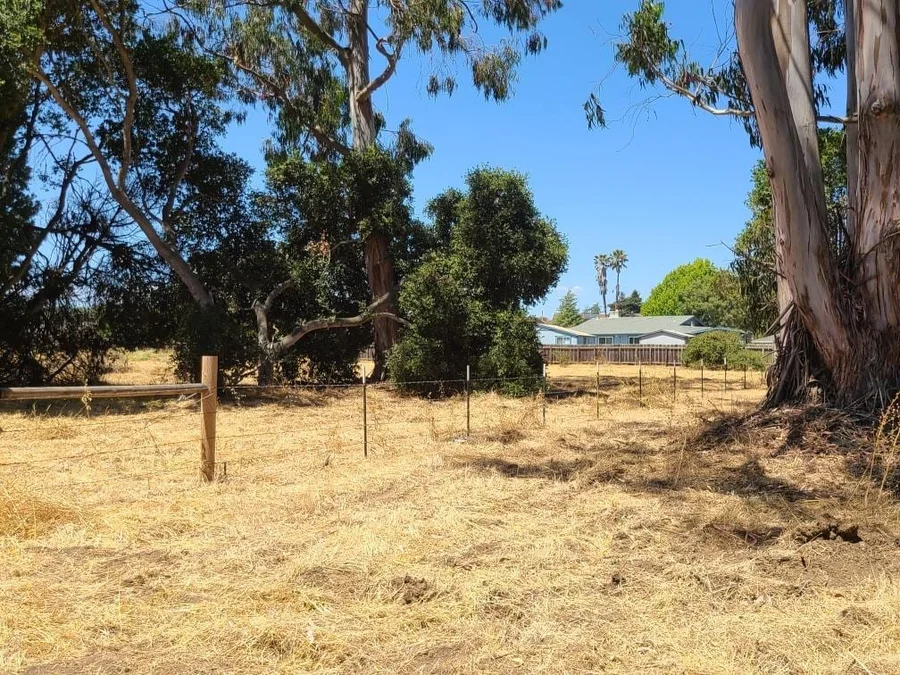
Why Monterey Fog Matters for Plant Selection in Carmel and Castroville
Monterey fog reduces summer sunlight by 50-70%, moderates temperature extremes, and adds fog-drip moisture under trees. Plant selection should prioritize cool-tolerant natives and shade-tolerant species in coastal areas like Carmel, while avoiding desert and heat-loving plants that fail in persistent fog conditions.
On this page· 9
- 01Understanding Monterey's Marine Layer Fog
- 02How Fog Affects Light Availability
- 03Fog Drip: A Hidden Water Source
- 04Temperature Moderation in Fog Zones
- 05Salt Spray and Fog Zone Tolerance
- 06Plant Selection Strategies for Fog Zones
- 07Avoiding Fog-Zone Mistakes
- 08Transitional Zones: Castroville and Greenfield
- 09Harnessing Fog for Sustainable Landscapes
The marine layer fog rolling inland from the Pacific Ocean fundamentally shapes Monterey County's plant communities. For landscape professionals and homeowners planning plantings in Carmel-by-the-Sea, Castroville, and nearby communities, understanding fog's influence is essential. Turftenders has spent over 15 years observing how Monterey fog affects plant performance, and we share these insights to help your landscape thrive.
Understanding Monterey's Marine Layer Fog
Monterey fog is not random weather; it's a predictable atmospheric phenomenon driven by ocean temperature, pressure systems, and seasonal cycles. When the Pacific Ocean's surface temperature remains cool (55-60 degrees Fahrenheit), cold water creates dense air that interacts with warmer inland air, generating fog. This process is strongest April through September, weakest December through February.
The marine layer regularly pushes miles inland through the Salinas Valley. In Carmel-by-the-Sea and Pacific Grove, fog is nearly constant May-September, creating what locals call "June Gloom" though fog persists through August. Castroville, a few miles from the bay, sees frequent summer fog but has more clear days than the Peninsula.
How Fog Affects Light Availability
Fog dramatically reduces solar radiation reaching plants. Direct summer sun delivers roughly 100,000 lux at midday, and a thick marine layer cuts that substantially. This prolonged dimness influences which plants perform well in Carmel, Castroville, and other fog-influenced areas.
Plants evolved for full sun can struggle in persistent fog. Seed source matters here: several Ceanothus and Manzanita species are native to the Monterey fog belt, including Monterey Ceanothus (Ceanothus rigidus), and coastal selections like these thrive in Carmel and Pacific Grove. Interior-source selections of the same plants may grow slowly in heavy fog.
Conversely, coastal fog creates opportunities for shade-loving plants that struggle elsewhere in Monterey County. Ferns, shade-tolerant perennials, and foliage plants that need afternoon shade in Salinas thrive in full sun within Carmel's fog zone. This micro-climate diversity creates unique planting opportunities along the coast, especially on Monterey Peninsula estates where microclimate-matched palettes elevate the landscape.
Fog Drip: A Hidden Water Source
Before dismissing fog as merely dim light, recognize that Monterey fog provides genuine precipitation. Fog drip occurs when fine water droplets condense on plant leaves, branches, and soil, delivering measurable moisture without visible rainfall. Under tall trees in the fog belt, fog drip can add meaningful moisture during summer, though amounts vary widely by site.
In Carmel-by-the-Sea and Pacific Grove, established trees benefit significantly from fog drip. Coast Live Oak, California Sycamore, and native shrubs reduce their water stress through this supplemental moisture source. Fog drip is less effective for low plants (grasses, groundcovers) but provides meaningful hydration for trees and tall shrubs.
This fog-drip phenomenon influences irrigation design in coastal communities. Carmel and Pacific Grove properties require less supplemental water than comparable Castroville or Salinas Valley locations, partially because fog drip supplements precipitation. However, dry years when fog frequency decreases create severe drought stress in coastal landscapes.
Temperature Moderation in Fog Zones
Monterey fog provides exceptional temperature stability. Fog acts as an insulating blanket, moderating both summer heat and winter cold. Carmel-by-the-Sea rarely exceeds 75 degrees Fahrenheit even on clear summer days, while inland Salinas Valley routinely reaches 85-90 degrees. Winter lows in Carmel rarely drop below 40 degrees; Castroville dips to 30-35 degrees.
This temperature stability is hugely beneficial for frost-sensitive plants. Coast Live Oak, California Poppy, and other native species perform better in Carmel's consistent conditions than in temperature-extreme inland valleys.
However, this same stability eliminates the chilling hours (temperatures below 45 degrees) that deciduous fruit trees need for dormancy and flowering. Apple, cherry, and pear varieties requiring 800+ chilling hours struggle in coastal Carmel locations; low-chill varieties are the safer choice near the coast.
Salt Spray and Fog Zone Tolerance
Coastal fog carries salt-laden droplets that accumulate on plants, particularly in Carmel-by-the-Sea where ocean proximity is extreme. Salt spray is highly corrosive to foliage; plants not adapted to saline conditions show leaf burn and growth reduction. This limits plant selection in true coastal zones.
Castroville, though subject to regular fog, is far enough inland that salt spray is minimal. This allows broader plant palette compared to oceanfront Carmel properties. Salt-tolerant natives like Sage, Manzanita, and Ceanothus perform admirably in both locations, but salt-sensitive species require site-specific evaluation in heavy salt-spray zones.
Irrigation water quality becomes critical in coastal fog zones. Using recycled water or water with high mineral content in Carmel area properties can compound salt spray stress. Fresh irrigation water combined with careful plant selection for salt tolerance maximizes coastal landscape success, as our project gallery showcases across recent Carmel-area installations.
Plant Selection Strategies for Fog Zones
Successful plantings in Carmel-by-the-Sea and other fog-influenced communities require species specifically adapted to cool, dim conditions. Native California plants from coastal regions outperform inland species. Ceanothus cultivars from coastal populations show better performance than interior varieties. Same principle applies to Sage, Manzanita, and other natives.
Shade-tolerant perennials and groundcovers thrive in Carmel's persistent fog. Ferns, Hosta relatives, shade-loving California natives, and foliage plants create lush landscapes without requiring supplemental summer water. Carmel's fog zone gardeners can successfully grow plants that would require afternoon shade or supplemental water in Salinas.
Flowering plants adapted to cool, moist conditions excel in coastal fog. Hydrangeas, which struggle in California's hot inland valleys, flourish in Carmel's marine layer. Rhododendrons, Azaleas, and other shade-loving bloomers create spectacular displays in Carmel gardens without the watering demands they require elsewhere.
Avoiding Fog-Zone Mistakes
Desert plants often fail in Carmel-by-the-Sea despite their usual California success. Heat-loving Mediterranean herbs like lavender and rosemary do best in the sunniest, best-drained spots near the coast; in shaded, damp corners they grow leggy and lose some of their fragrance.
Deciduous plants often fail to thrive in persistent fog. Without sufficient light and heat, growth is stunted, flowering is sparse, and fruiting is minimal. Fruit trees and flowering shrubs should be carefully selected for coastal fog tolerance rather than just general drought tolerance.
Overwatering is a common coastal fog-zone error. When fog provides supplemental moisture and temperature is cool, plants need far less irrigation than conventional California gardening wisdom suggests. Many Carmel property owners create soggy, diseased landscapes by applying Salinas Valley watering schedules to fog-moderated gardens.
Transitional Zones: Castroville and Greenfield
Communities like Castroville and Greenfield experience transitional climate zones where fog presence varies by day and season. These areas require plant selection flexibility. Spring and early summer fog calls for fog-tolerant species; late summer and fall clear weather demands drought tolerance.
A successful transitional-zone plant palette combines drought-tolerant natives (Ceanothus, Manzanita, Sage) that handle heat and low water with moisture-loving shade plants (ferns, groundcovers) that provide aesthetic value during foggy periods. This creates visually dynamic landscapes that perform well across seasonal and annual weather variation.
Irrigation scheduling in transitional zones requires mid-season adjustment. Winter and spring water needs are minimal (rain plus fog drip), while fall water demands increase. Summer fluctuates based on fog frequency; foggier summers require less supplemental water than clear ones.
Harnessing Fog for Sustainable Landscapes
Rather than fighting Monterey's fog, successful landscape design embraces it. In Carmel-by-the-Sea and other coastal communities, fog is an asset that reduces irrigation needs and enables unique planting possibilities. Low-growing conifers, delicate foliage plants, and moisture-loving perennials create sophisticated landscapes impossible in fog-free regions.
Understanding your specific fog exposure is the first step in optimized planting. Carmel's heavy fog and Castroville's intermittent fog create different design requirements. We evaluate site exposure, fog frequency, salt spray risk, and other factors when developing landscape design plans for Monterey County properties.
Turftenders brings local expertise to every project, tailoring plant selection and irrigation design to the unique microclimates that make Monterey County's landscapes so distinctive.
---
Ready to harness Monterey fog for your coastal or transitional-zone landscape? Learn about our softscape expertise or contact our team to develop a fog-adapted planting strategy for your Carmel, Castroville, or Monterey County property.
Answers ahead
Questions we get asked the most
01How far inland does Monterey fog typically extend?
02Does fog drip count as significant water for plants?
03Why do Mediterranean plants struggle in Carmel fog zones?
04Which plants thrive in Monterey's fog zones?
05Should I water less in Carmel fog zones?
06When is the best planting window for fog-zone gardens?
07Are fog-zone plantings deer-resistant?
08How do gophers affect fog-zone plantings?
09What mulch works best in fog zones?
10Do fog-zone landscapes attract pollinators and birds?
11How long until a fog-zone native landscape looks mature?
12Can fog-zone gardens include edible plants?
Written by
The Turftenders Team
The Turftenders Landscape team has served Salinas and Monterey County for 15+ years, specializing in artificial turf, lawn care, hardscaping, and drought-tolerant design.
Done reading? Let's talk numbers.
Three quick ways to get pricing tailored to your property — no forms to grind through, no obligation.
More on Softscape
Keep reading
 Sustainable Landscaping01
Creating a Beautiful Drought-Tolerant Landscape in California
December 28, 2024
Softscape02Choosing the Right Plants for Monterey County's Unique Climate
December 15, 2024
Softscape03Can You Put Artificial Turf in Carmel-by-the-Sea? What the 2025 Ban Means and What to Plant Instead
February 17, 2025