Defensible Space Clearing in Prunedale and Pebble Beach
California requires defensible space out to 100 feet from structures in high-risk areas, in three zones: 0-5 ft ember-resistant, 5-30 ft lean and green, 30-100 ft reduced fuel. Most of the work is limbing up, thinning and clearing dead fuel rather than removing healthy trees.
On this page· 4
If your property backs onto oak woodland in Prunedale or sits under the pine and cypress canopy in Pebble Beach, defensible space is not an abstract idea. It is the band of managed vegetation around a house that slows a fire down and gives firefighters room to work. California law requires it in high-risk areas out to 100 feet from the structure, or to the property line if that is closer.
Defensible space clearing is one of the most common tree service jobs we do on the Central Coast. Here is what it involves and how we approach it without stripping a lot bare.
The three zones
CAL FIRE describes defensible space in three bands measured out from the house.
Zone 0: 0 to 5 feet
The ember-resistant zone right against the walls, decks and fences. The state is still finalizing the formal rules for this band, but the published guidance is already clear: nothing that burns easily next to the house. That means no bark mulch or dead leaves against the foundation, no firewood stacked on the deck, and no branches touching the roof or walls.
Zone 1: 5 to 30 feet
Often called "lean, clean and green." Dead plants, dry grass and fallen leaves come out. Branches get trimmed back so they don't overhang the roof, and trees are spaced so crowns don't form one continuous canopy that carries fire to the house.
Zone 2: 30 to 100 feet
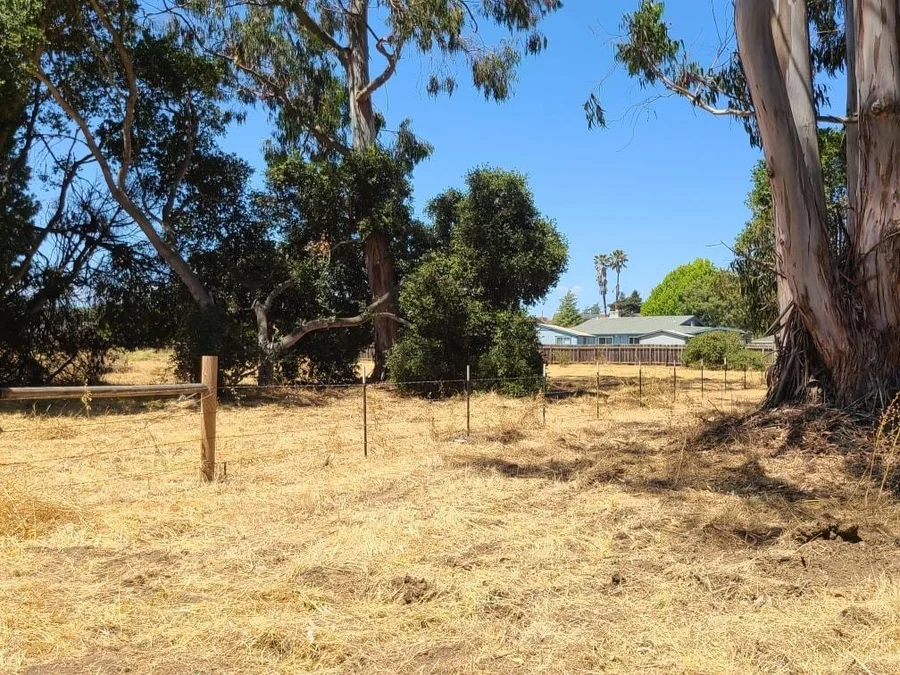
The reduced-fuel zone. Grass is kept short, lower tree limbs are removed so a ground fire can't climb into the canopy, and shrubs and trees are spaced out so fire can't jump from one to the next. Woodpiles belong out here, not against the house.
What we actually cut
Most defensible space work is not tree removal. The bulk of it is:
Removal comes in where a tree is dead, badly leaning or so close to the house that no amount of pruning makes it safe. Eucalyptus near structures gets a hard look because it sheds bark and leaves that carry fire well.
Clearing without stripping the lot
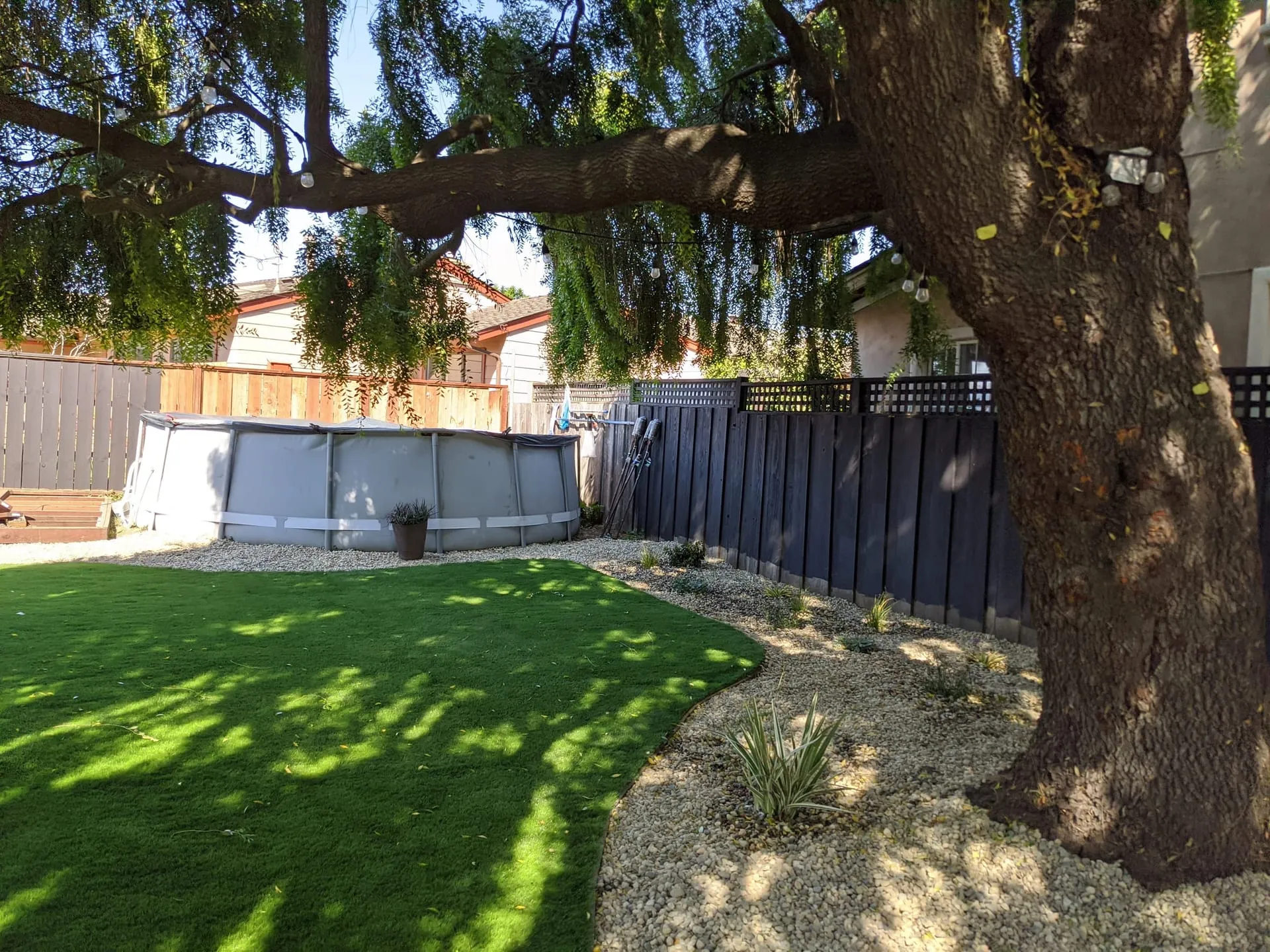
A good defensible space job leaves the property looking cared for, not scalped. Healthy, well-spaced oaks and pines are part of what makes Prunedale and the Del Monte Forest worth living in, and they shade the ground so fewer weeds and grasses grow back. We keep the healthiest trees, open space around them, and replace flammable plantings near the house with lower, irrigated, fire-resistant ones as part of a landscape design when the owner wants it.
In Pebble Beach, tree removal is subject to forest and architectural review, and some Prunedale parcels fall under county tree rules. We check what applies before cutting anything larger than routine pruning.
Keeping it maintained
Defensible space is not a one-time job. Grass grows back, trees drop needles, and brush fills in. Most of our hillside clients schedule a clearing visit in late spring before fire season and fold ongoing fuel reduction into their regular maintenance program.
If you are also weighing a removal or two, our tree removal cost guide explains how those are priced. Send us photos of the property and we will walk it, mark what should come out, and quote the work in writing.
Answers ahead
Questions we get asked the most
Written by
The Turftenders Team
The Turftenders Landscape team has served Salinas and Monterey County for 15+ years, specializing in artificial turf, lawn care, hardscaping, and drought-tolerant design.
Done reading? Let's talk numbers.
Three quick ways to get pricing tailored to your property — no forms to grind through, no obligation.
More on Tree Trimming & Removal