
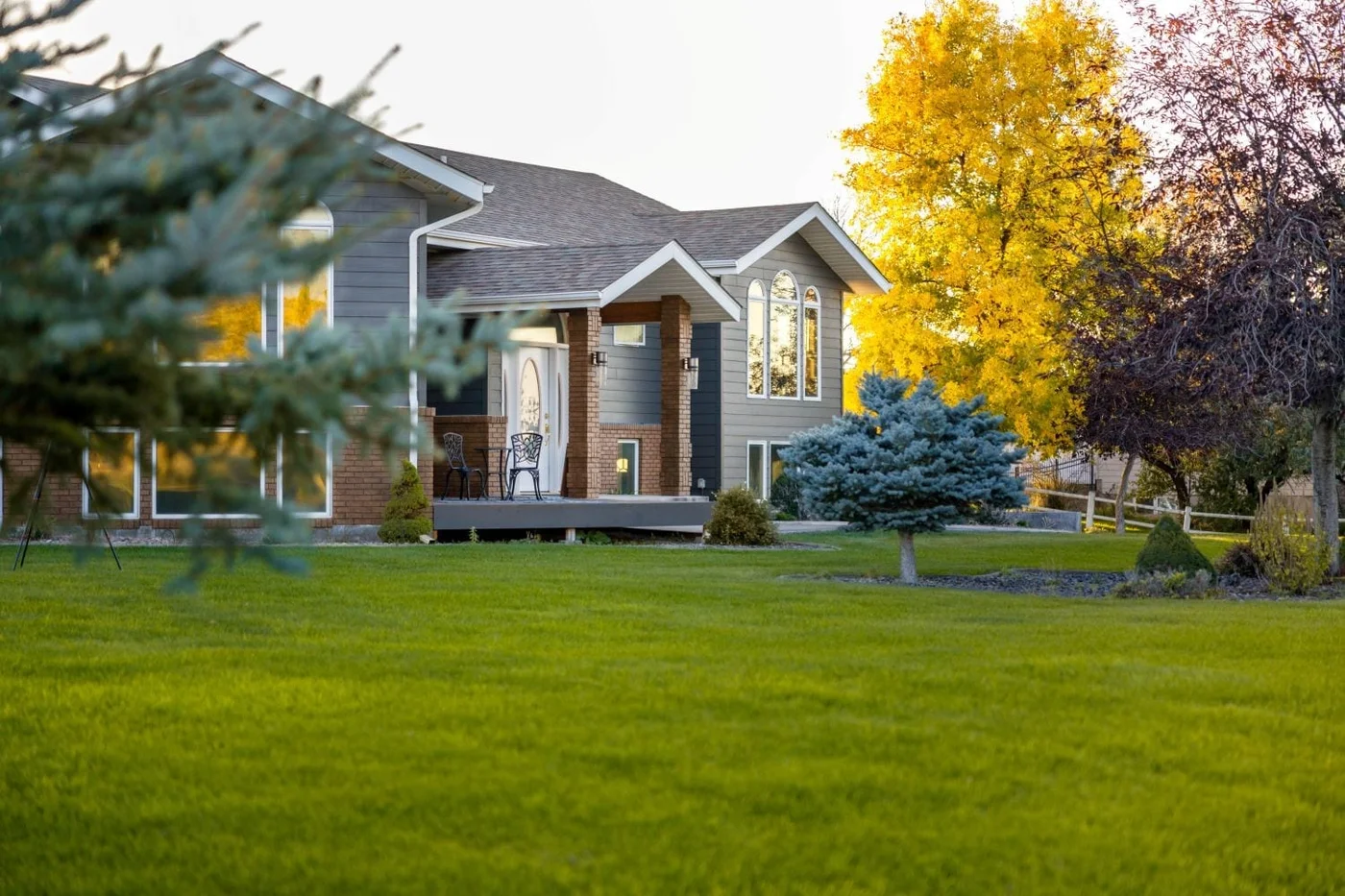
Why HOA Approval Matters for Carmel-by-the-Sea Landscape Plans
HOA approval is essential for landscape projects in Carmel-by-the-Sea and Pacific Grove to avoid fines or forced removal of completed work, and in Carmel-by-the-Sea, city Design Study review applies as well. The approval process typically takes 3-6 weeks and requires detailed plans addressing community design standards. Professional designers experienced with local HOA requirements significantly improve approval success.
On this page· 9
- 01Understanding HOA Authority in Carmel-by-the-Sea
- 02Common HOA Landscape Design Requirements
- 03Property Value Protection Through Design Standards
- 04Preparing Plans for HOA Approval in Carmel-by-the-Sea
- 05The HOA Approval Timeline in Pacific Grove and Carmel-by-the-Sea
- 06Common HOA Approval Challenges and Solutions
- 07Working with HOA Architectural Review Committees
- 08Combining HOA Approval with Coastal Permit Review
- 09Timeline Planning for HOA Properties
If you own property in Carmel-by-the-Sea, Pacific Grove, or other Monterey County communities with homeowners associations, HOA approval for landscape projects is non-negotiable. Understanding why approval matters and how the process works helps you plan realistic timelines and avoid costly modifications or removal of completed work.
Understanding HOA Authority in Carmel-by-the-Sea
Where a Carmel-by-the-Sea property belongs to a homeowners association, the association has legal authority to enforce design standards through its CC&Rs (Covenants, Conditions, and Restrictions). These documents establish guidelines protecting property values and community aesthetic consistency. The HOA's Architectural Review Committee evaluates landscape plans against these standards before approving installation.
Separately, the City of Carmel-by-the-Sea requires Design Study approval for most exterior alterations, reviewed by planning staff or the Planning Commission under the city's Residential Design Guidelines. City review applies whether or not your property has an HOA.
Property owners who proceed without HOA approval risk significant consequences. The HOA can require removal of unapproved landscaping and impose fines under its rules. Under California Civil Code 5725, those fines cannot become a foreclosable lien, but the HOA can sue to collect them. In Carmel-by-the-Sea's tight-knit community, understanding how HOA boards across Salinas Valley and the peninsula operate protects your investment long-term.
Common HOA Landscape Design Requirements
HOA guidelines in Carmel-by-the-Sea typically address specific design elements. Color schemes must complement neighborhood character, with guidelines specifying approved paint colors for hardscape elements. Plant selections often include approved species lists, with restrictions on invasive plants and trees that might block neighbors' views.
Hardscape materials receive scrutiny regarding style, finish, and proportion. Patio sizes, fence heights, and irrigation system visibility must comply with community standards. Privacy screening solutions must achieve the balance between personal privacy and maintaining neighborhood sight lines. These detailed requirements exist in most established Monterey County communities with HOAs.
Property Value Protection Through Design Standards
HOA landscape approval processes protect community property values. Coordinated landscaping creates visual cohesion that enhances neighborhood curb appeal. When one property receives landscaping inconsistent with community character, it can negatively impact adjacent properties. HOA oversight prevents this degradation.
In Carmel-by-the-Sea's competitive real estate market, maintained aesthetic standards support property appreciation. Working alongside realtors and home stagers, HOA approval ensures your landscaping contributes positively to property value when it comes time to sell.
Preparing Plans for HOA Approval in Carmel-by-the-Sea
Successful HOA approval begins with detailed preparation. Landscape designers experienced with Carmel-by-the-Sea requirements create plans addressing specific HOA concerns. Plans should include elevation drawings showing how new landscaping appears from the street, plant maturity heights, and sight line impacts.
Material samples for hardscape elements help reviewers visualize colors and textures. Designers familiar with local HOA standards often know which plant species consistently receive approval. They understand typical concerns about water usage, maintenance requirements, and compatibility with existing neighborhood landscaping.
Photographic context showing your property's current state and relationship to neighbors helps HOA reviewers understand the proposal. This documentation demonstrates that your design complements rather than detracts from the neighborhood character. Professional designers often include before-and-after renderings showing how your landscape fits within the broader community context.
The HOA Approval Timeline in Pacific Grove and Carmel-by-the-Sea
HOA approval processes vary but typically require 3 to 6 weeks. The Architectural Review Committee meets monthly in most Carmel-by-the-Sea and Pacific Grove communities. If your application arrives after the submission deadline, approval waits for the next month's meeting. Incomplete applications extend timelines further.
Many HOAs request revisions, returning applications with feedback requiring modifications. Designers experienced with local HOA preferences often anticipate concerns, reducing revision cycles. Some associations employ professional design review consultants who provide detailed feedback during staff review before the full committee meeting.
Submitting applications early allows time for revisions without delaying your construction timeline. If you submit in January hoping for spring installation, HOA approval might not occur until February or March, compressing construction schedules.
Common HOA Approval Challenges and Solutions
Overly contemporary designs sometimes conflict with traditional neighborhood character in established Carmel-by-the-Sea communities. The solution involves adapting modern aesthetics while respecting established design precedent. Experienced designers know how to balance personal style with community expectations.
Drought-tolerant plant selections sometimes raise concerns about aesthetic impact or water-saving appropriateness in coastal areas. Educational materials explaining California's water conservation importance and the availability of attractive drought-tolerant species, or even artificial turf alternatives, help HOAs approve these designs. In Monterey County, drought-resistant landscaping increasingly aligns with community values.
Tree removal requests frequently receive scrutiny. HOAs often require replacement plantings of similar visual impact or exceptional justification for removals. Designers proposing tree removal work with arborists to demonstrate health issues or safety concerns supporting removal decisions.
Working with HOA Architectural Review Committees
Building positive relationships with your HOA Architectural Review Committee increases approval likelihood. Attend community meetings to understand design values and standards. Some designers recommend pre-application conversations with committee members to discuss preliminary concepts before formal submission.
Honest communication about project goals and timeline helps reviewers understand your motivations. If you're creating drought-resistant landscaping because of water conservation values, share this perspective. If you're updating landscape design for functional reasons like improving drainage, explain the connection to overall community benefit.
Professional landscape designers experienced with your specific HOA know committee members' typical concerns and preferences. They've navigated previous approvals and understand which proposals succeed versus fail. This institutional knowledge accelerates approval processes and improves success rates significantly.
Combining HOA Approval with Coastal Permit Review
All of Carmel-by-the-Sea lies within the coastal zone, and the city issues its own coastal development permits under a Local Coastal Program certified by the California Coastal Commission in 2004. Routine landscaping at an existing single-family home is often exempt, but when a coastal permit is required, it runs alongside any HOA approval. The two processes operate independently but overlap: both prioritize visual impact and community character. Designers managing coastal properties in Carmel-by-the-Sea coordinate both, ensuring plans satisfy the HOA and the city's coastal permit standards.
Coastal permit review focuses on coastal resource protection and public access, while HOAs emphasize community aesthetics. When these requirements align, approval moves smoothly. When conflicts arise, negotiating mutually acceptable solutions requires skillful design adaptation and clear communication with both entities.
Timeline Planning for HOA Properties
Budget 3 to 6 weeks for HOA approval when planning your landscape project in Carmel-by-the-Sea or Pacific Grove. If revision is required, add another 3 to 4 weeks. Experienced landscape designers factor HOA approval into overall project scheduling, preventing surprises that compress installation timelines.
Don't view HOA approval as a barrier to your vision. Instead, recognize it as a collaborative process ensuring your landscaping investment enhances your neighborhood. Designers skilled in HOA navigation help you achieve your goals while gaining community support for your project.
Ready to navigate HOA approval for your Carmel-by-the-Sea or Pacific Grove landscape project? Contact our landscape design team to discuss your project and timeline. We specialize in creating beautiful designs that satisfy HOA requirements and your personal vision.
Learn how our landscape design services help you create outdoor spaces that gain approval while reflecting your style and values.
Answers ahead
Questions we get asked the most
01What happens if I landscape my Carmel-by-the-Sea property without HOA approval?
02How long does HOA approval take in Pacific Grove communities?
03What should I include in my HOA landscape approval application?
04Can I combine HOA approval with coastal permit review for Carmel-by-the-Sea properties?
05How can I improve my chances of HOA approval?
06Can the HOA require me to use specific plant species?
07Does a 3D rendering help speed HOA approval?
08Are there different approval requirements for the front yard versus the back yard?
09What happens if my HOA doesn't respond to my submission?
10Can I appeal an HOA decision I disagree with?
11Do HOA approvals expire if I don't install within a certain window?
12Does professional lighting design help HOA approval?
Written by
The Turftenders Team
The Turftenders Landscape team has served Salinas and Monterey County for 15+ years, specializing in artificial turf, lawn care, hardscaping, and drought-tolerant design.
Done reading? Let's talk numbers.
Three quick ways to get pricing tailored to your property — no forms to grind through, no obligation.
More on Landscape Design
Keep reading
 Hardscaping01
Top Hardscaping Trends for 2025: Elevate Your Outdoor Space
January 5, 2025
Sustainable Landscaping02Creating a Beautiful Drought-Tolerant Landscape in California
December 28, 2024
Landscape Design03Landscape Design Cost in Salinas & Monterey: 2026 Fees Explained
February 22, 2025