
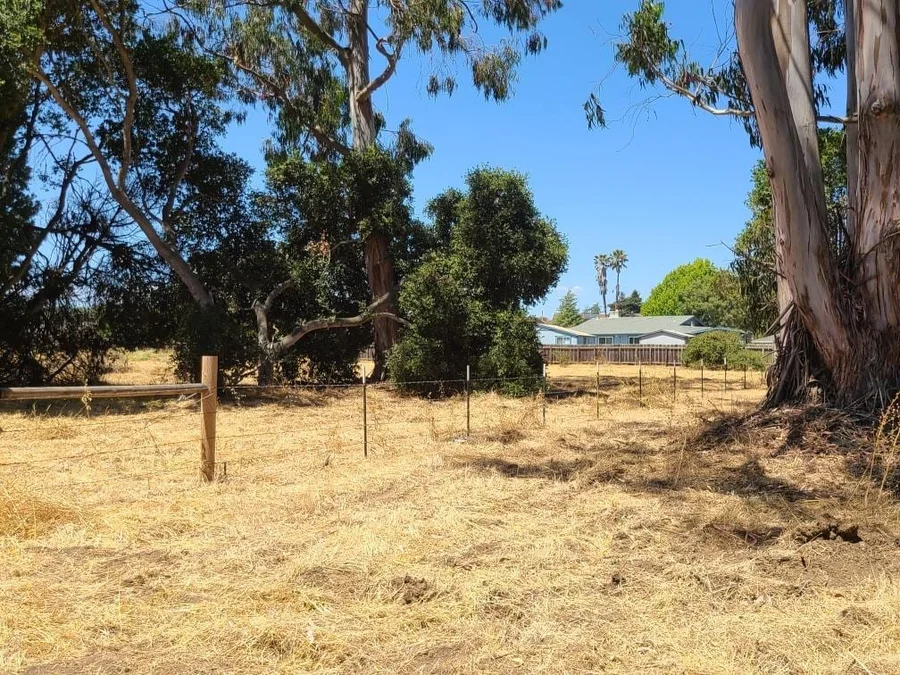
How Salinas Valley Clay Soil Affects Your Garden, and How Pacific Grove Differs
Salinas Valley clay soil retains water efficiently but drains poorly and compacts easily. Work with clay by selecting native plants, amending with compost, improving drainage through mechanical loosening, and designing irrigation for longer intervals with adequate duration.
On this page· 10
- 01Understanding Salinas Valley Clay Composition
- 02Water Retention: Clay's Double-Edged Benefit
- 03Root Penetration Challenges in Clay Soils
- 04Nutrient Availability in Clay
- 05Soil Preparation Strategies for Salinas Valley Clay
- 06Drip Irrigation Design for Clay Soils
- 07Native Plant Selection for Clay Soils
- 08Managing Seasonal Clay Soil Changes
- 09Improving Clay Without Complete Replacement
- 10When to Call Professional Help
Salinas Valley's clay soil is legendary among local gardeners and landscape professionals. Understanding it shapes every successful garden design in Salinas and the inland valley, and it explains why the same plan often fails on the Peninsula, where Pacific Grove's soils are mostly sandy. Turftenders has spent 15+ years mastering clay soil management, and we're sharing our expertise to help your landscape thrive.
Understanding Salinas Valley Clay Composition
The Salinas Valley floor is built from alluvial sediments from the Salinas River and surrounding foothills. Soils range from loam to heavy clay depending on proximity to river channels and elevation, and many yards have clay or clay-loam soil. Where clay is heavy, it dramatically influences water retention, drainage, root penetration, and nutrient availability.
Clay particles measure less than 0.002 millimeters in diameter, creating dense soil that compacts easily. When clay particles pack tightly, water moves slowly, soil oxygen becomes limited, and roots struggle to penetrate. In Salinas, where the Mediterranean climate creates distinct wet and dry seasons, clay soil's water-holding characteristics create both advantages and challenges.
Water Retention: Clay's Double-Edged Benefit
Clay's primary advantage is exceptional water retention. During Monterey County's dry season (May-September), clay-rich soils maintain moisture longer than sandy or loamy alternatives. This characteristic benefits native plants like Ceanothus and Manzanita, which evolved in California's water-limited environment.
However, water retention becomes problematic during the wet season (November-April). When rainfall exceeds 0.5 inches daily, clay soil saturates, oxygen becomes depleted, and root rot develops. Salinas and Castroville experience average annual rainfall of 14 inches, concentrated in winter months. Proper drainage design becomes essential for plant survival in clay-heavy landscapes.
Root Penetration Challenges in Clay Soils
Undisturbed clay creates a barrier that plant roots cannot penetrate. Salinas Valley's native vegetation evolved with specialized root systems adapted to clay. Coast Live Oak develops deep taproots that eventually reach water below clay layers. Desert-adapted shrubs like Sage spread shallow, fibrous root networks across the surface.
When installing non-native plants in clay soil, gardeners often fail because species expect looser, more penetrable soil. Trees die from shallow roots that cannot anchor in high wind or reach subsurface water. We typically amend clay soils for non-native plantings by breaking up compacted layers, incorporating organic matter, and creating raised planting beds for sensitive species. Our softscape services cover everything from initial soil evaluation to finished installation.
Nutrient Availability in Clay
Clay soil holds nutrients tightly, which sounds beneficial but creates problems. While clay contains ample minerals, plants cannot easily access them. Clay's negative charge bonds with positively charged nutrient ions (nitrogen, potassium, calcium, magnesium), making them unavailable to plant roots.
Native California plants adapted to low-nutrient clay soils by developing efficient nutrient uptake mechanisms and symbiotic relationships with soil microbes. When introducing non-native plantings to Salinas clay, incorporate compost and balanced fertilizers. Mycorrhizal fungi associations improve nutrient access in clay soils, particularly for trees and shrubs.
Soil Preparation Strategies for Salinas Valley Clay
Successful clay soil gardening requires proper preparation. We recommend three integrated approaches: mechanical improvement, organic matter incorporation, and plant selection aligned with soil characteristics.
Mechanical improvement involves breaking up clay through deep tilling or subsoiling, disturbing compacted layers that inhibit root penetration. For serious compaction (common in developed areas of Salinas), rip the soil 12-18 inches deep using specialized equipment. This one-time investment dramatically improves subsequent plant establishment.
Incorporate 3-4 inches of quality compost into the top 12 inches of clay soil. Compost improves water infiltration, provides organic matter that lightens soil structure, and feeds soil microorganisms that increase nutrient availability. Repeat this amendment every 2-3 years to maintain soil health as part of your ongoing lawn maintenance cycle.
Drip Irrigation Design for Clay Soils
Clay soil's water retention changes irrigation requirements dramatically. Plants need less frequent watering in clay than in sandy soils because water penetrates slowly and stays available longer. Over-irrigation in clay soil is common, leading to saturated conditions and root disease.
Design drip irrigation systems for clay soils with longer watering intervals but adequate duration to move water through clay's dense structure. In Salinas and Monterey County, native plants typically need supplemental water only May through September. Clay soils often require 50% less water than sandy alternatives because water retention is so efficient.
Monitor soil moisture regularly to adjust schedules. Clay soil that appears dry on the surface may hold adequate moisture a few inches down. Proper monitoring prevents both overwatering (leading to disease) and underwatering (stressing newly established plants).
Native Plant Selection for Clay Soils
Some California natives handle clay with minimal amendment. Toyon and Deer Grass tolerate clay well, and Coast Live Oak grows in it naturally. Most Manzanita and many Ceanothus need good drainage, so in clay we plant them on raised mounds or berms with compost worked into the planting area.
Coast Live Oak and California Sycamore are exceptional clay-tolerant trees. Their deep root systems penetrate clay layers while providing structure and shade. Sage species handle clay magnificently, spreading shallow roots that stabilize slopes while drought tolerance exceeds most ornamental alternatives.
Avoid planting acid-loving plants (Rhododendrons, Azaleas) in Salinas Valley clay without significant soil amendment. These species expect loose, acidic soils fundamentally different from our alkaline clay. Mediterranean-climate plants from other regions handle clay better than species from high-rainfall or sandy-soil regions.
Managing Seasonal Clay Soil Changes
Clay soil in Salinas experiences dramatic seasonal changes. Winter moisture causes clay to expand and become plastic (moldable), while summer drying causes shrinkage and cracking. These physical changes stress plant roots and can damage hardscape features positioned on clay soils.
Plan construction projects for late summer or early fall when soil is dry and stable. Avoid major excavation work during wet season when clay becomes unworkable. Place driveways and hardscape on proper foundations that accommodate seasonal soil movement.
For slopes, clay's water-holding capacity creates seasonal instability. Winter saturation increases slope failure risk, while summer drying causes surface cracking that increases water infiltration in subsequent wet seasons. Native vegetation with deep roots (Coast Live Oak, Ceanothus) stabilizes clay slopes better than shallow-rooted alternatives, and complementary hardscape elements like low retaining walls break long slopes into manageable benches.
Improving Clay Without Complete Replacement
Budget constraints often prevent complete soil replacement. We recommend targeted improvement strategies that work with Salinas Valley's native clay rather than against it. Focus amendments on planting areas while accepting clay's natural characteristics elsewhere.
Raised beds work beautifully in clay-rich areas, isolating plantings from problematic soil while creating attractive garden features. Even 12-18 inches of raised bed provides adequate depth for most perennials, vegetables, and small shrubs. This approach costs less than extensive soil amendment while delivering superior results.
Surface mulch improves clay soil conditions over time. As organic mulch breaks down, it adds organic matter to clay's surface, improving structure and microbial activity. Dark mulch also moderates seasonal temperature extremes in exposed clay soils.
When to Call Professional Help
Severe compaction, contaminated soils, or highly altered clay conditions warrant professional assessment. We evaluate soil through testing and observation, recommending appropriate remediation strategies. Turftenders brings equipment and expertise that turns problematic clay into productive landscape.
Understanding your soil is the foundation of successful gardening in Salinas, on the sandy Peninsula in Pacific Grove, and throughout Monterey County. Contact us to schedule a soil consultation for your specific property.
---
Struggling with clay soil in your Salinas Valley garden, or sandy soil in Pacific Grove? Explore our softscape solutions or reach out to our team to develop a clay-soil strategy tailored to your landscape.
Answers ahead
Questions we get asked the most
01Is Salinas Valley clay soil good or bad for gardens?
02How deep does clay go in Salinas Valley yards?
03Should I replace clay soil or work with it?
04What plants thrive in clay soils without amendment?
05How often should I water in clay soil versus sandy soil?
06When is the best seasonal window to plant in clay soils?
07Are plants in clay soils more vulnerable to gophers?
08Which natives are the most deer-resistant in clay soil gardens?
09Do native clay-soil plantings support pollinators?
10What mulch type works best on clay soils?
11Can I integrate edibles into a clay-soil landscape?
12How do clay soils affect drip irrigation design?
Written by
The Turftenders Team
The Turftenders Landscape team has served Salinas and Monterey County for 15+ years, specializing in artificial turf, lawn care, hardscaping, and drought-tolerant design.
Done reading? Let's talk numbers.
Three quick ways to get pricing tailored to your property — no forms to grind through, no obligation.
More on Softscape
Keep reading
 Sustainable Landscaping01
Creating a Beautiful Drought-Tolerant Landscape in California
December 28, 2024
Softscape02Choosing the Right Plants for Monterey County's Unique Climate
December 15, 2024
Softscape03Can You Put Artificial Turf in Carmel-by-the-Sea? What the 2025 Ban Means and What to Plant Instead
February 17, 2025